XI / The Portico at the Shore
EssayAt the Shore of Relations: In the Middle of Nature there is a Clock
In the Middle of Nature There Is a Clock
At the Shore of Relations proposes a relational conception of geometry, knowledge, and place. Rather than treating space as a pre-given substrate, it investigates how geometry emerges through practices of alignment that coordinate traces, instruments, and observations across contexts. Drawing on Aristotle, Bergson, René Thom, Penelope's loom, and contemporary mathematical thought, the essay develops an auxiliary architectonics in which relations become intelligible through four operations: trace, schema, weave, and pulse. At its center lies the proposition that "in the middle of nature there is a clock": not a mechanism, but a field of rhythms through which the world articulates itself. Mathematics is approached in its older sense of ta mathemata — that which is learned — as a practice of cultivating attention toward relations rather than imposing abstract order upon them. The essay ultimately advocates a form of cosmic modesty: an education in attending to the world's alignments as news of the world.

In the Middle of Nature There Is a Clock
 A Glossary of Weathering Articulations
 A Note on Versatz Words
 Instruments of Synchronizing Techniques
 The Portico Books I: Relations Without Ground
 The Portico Books II: The Virtual Clock
 At the Shore of the Music Sum
 Polyphonic Drama in the Chronicle
 What is a Probe?
 Rules to Guide ones Orientation in Thought
 Elements of a Respiratory Geometry
 On Prompting
 Photographic Writing and the Breathing Image
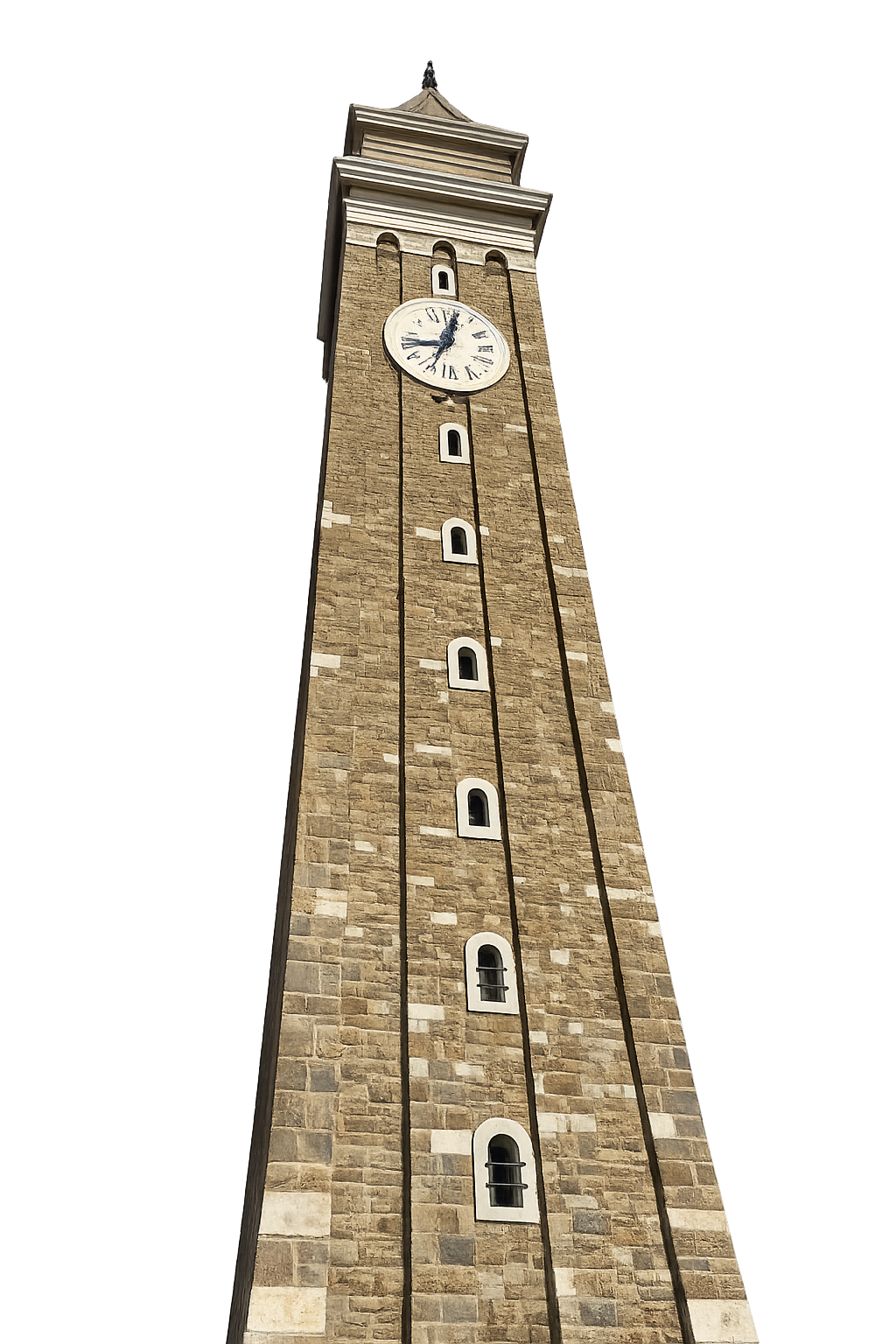 A Gnomonic Clock
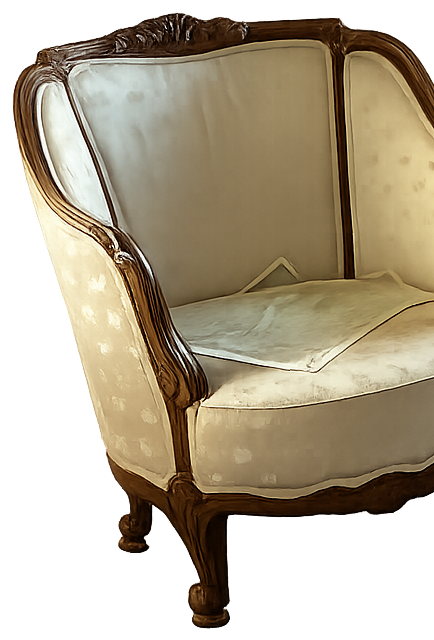 The Promise Kept in Still Lifes
- At the Shore of Relations: In the Middle of Nature there is a Clock
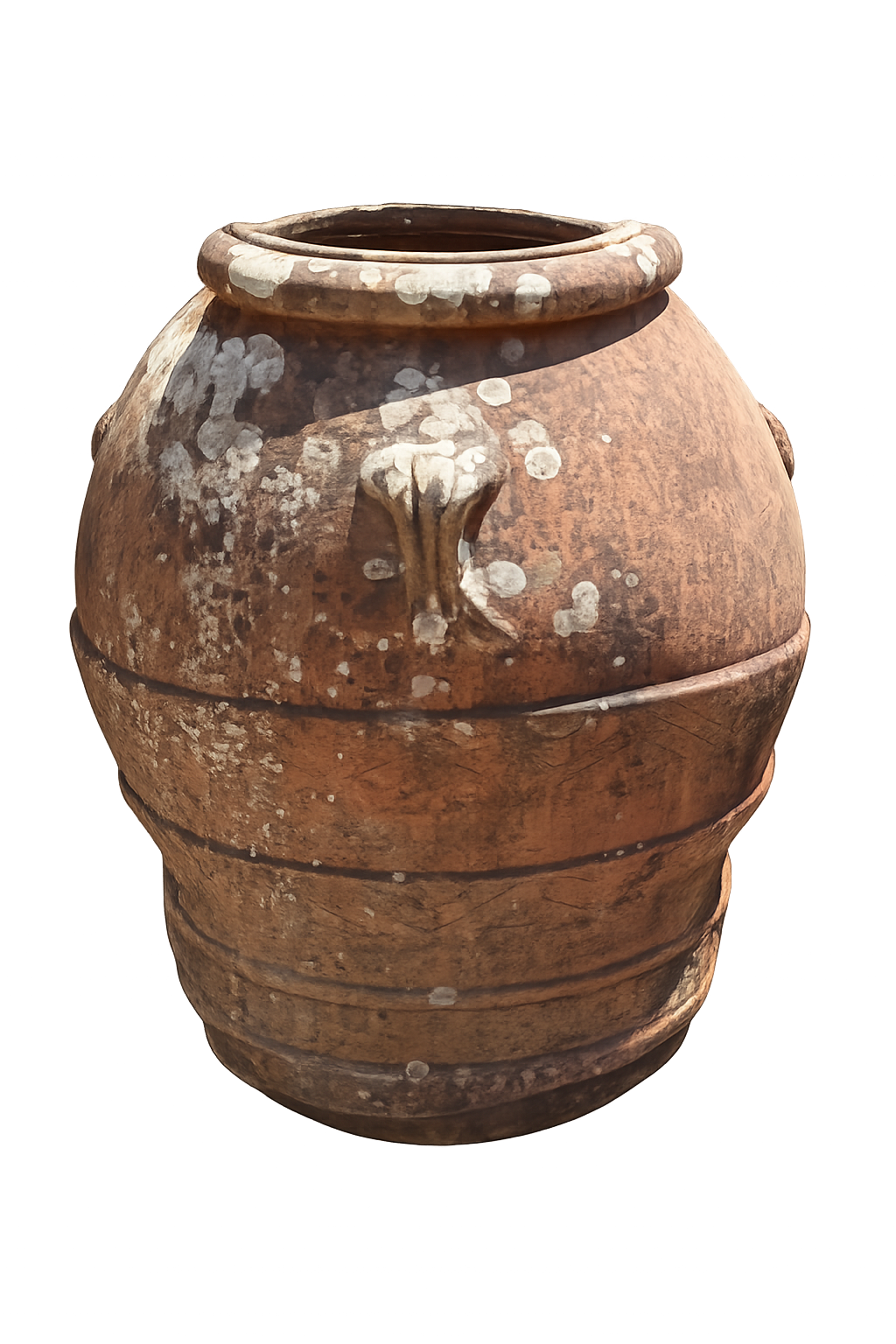 Mündungen, A Hydrography of Thought
 De gravitate et gaudio
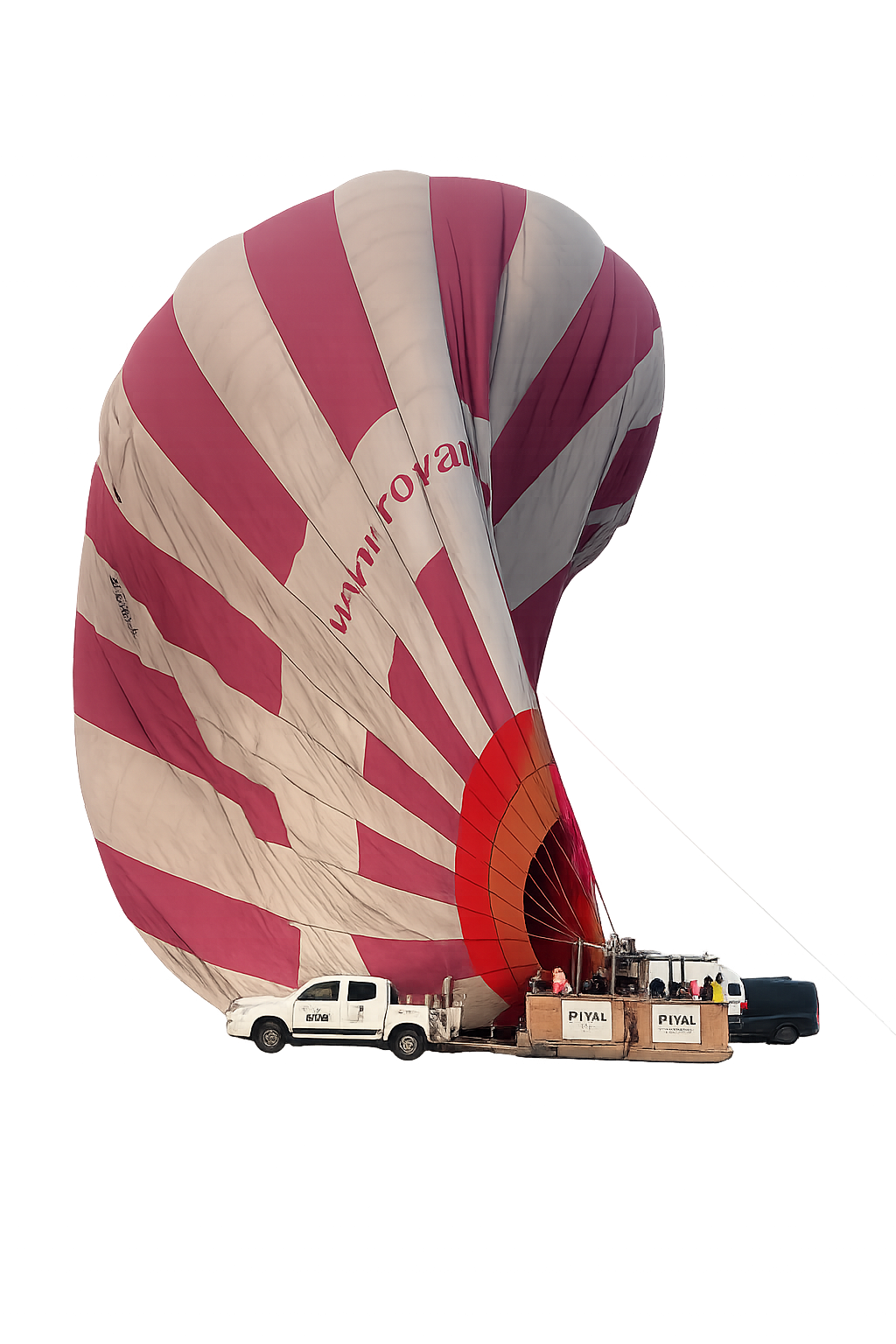 Meteorology, The Art of Articulation
 Meteorology, The Art of Articulation
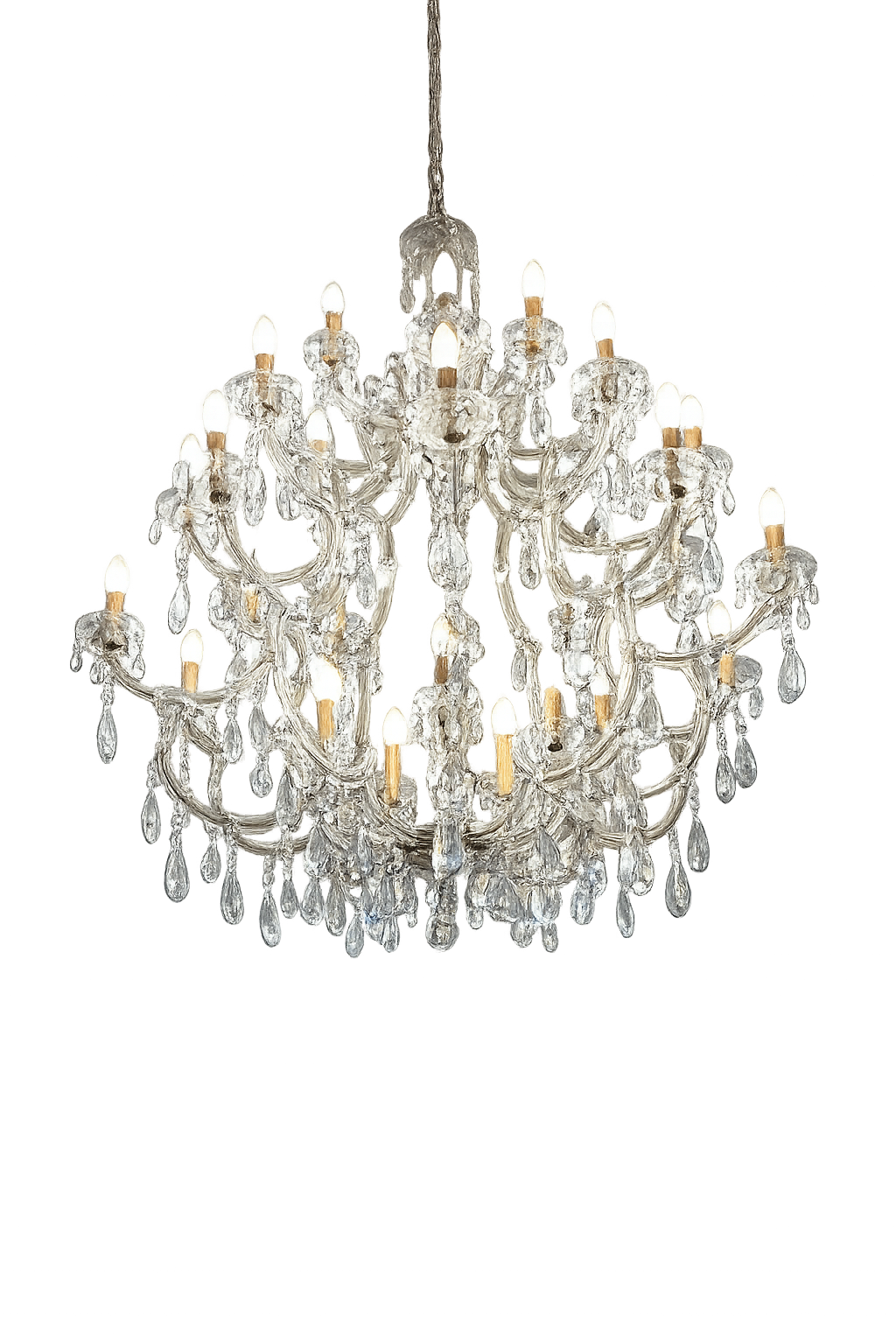 Speaking in Daedalic Tongues
 Ode an den stehenden Satz
 Objektive Figuren des Maßes
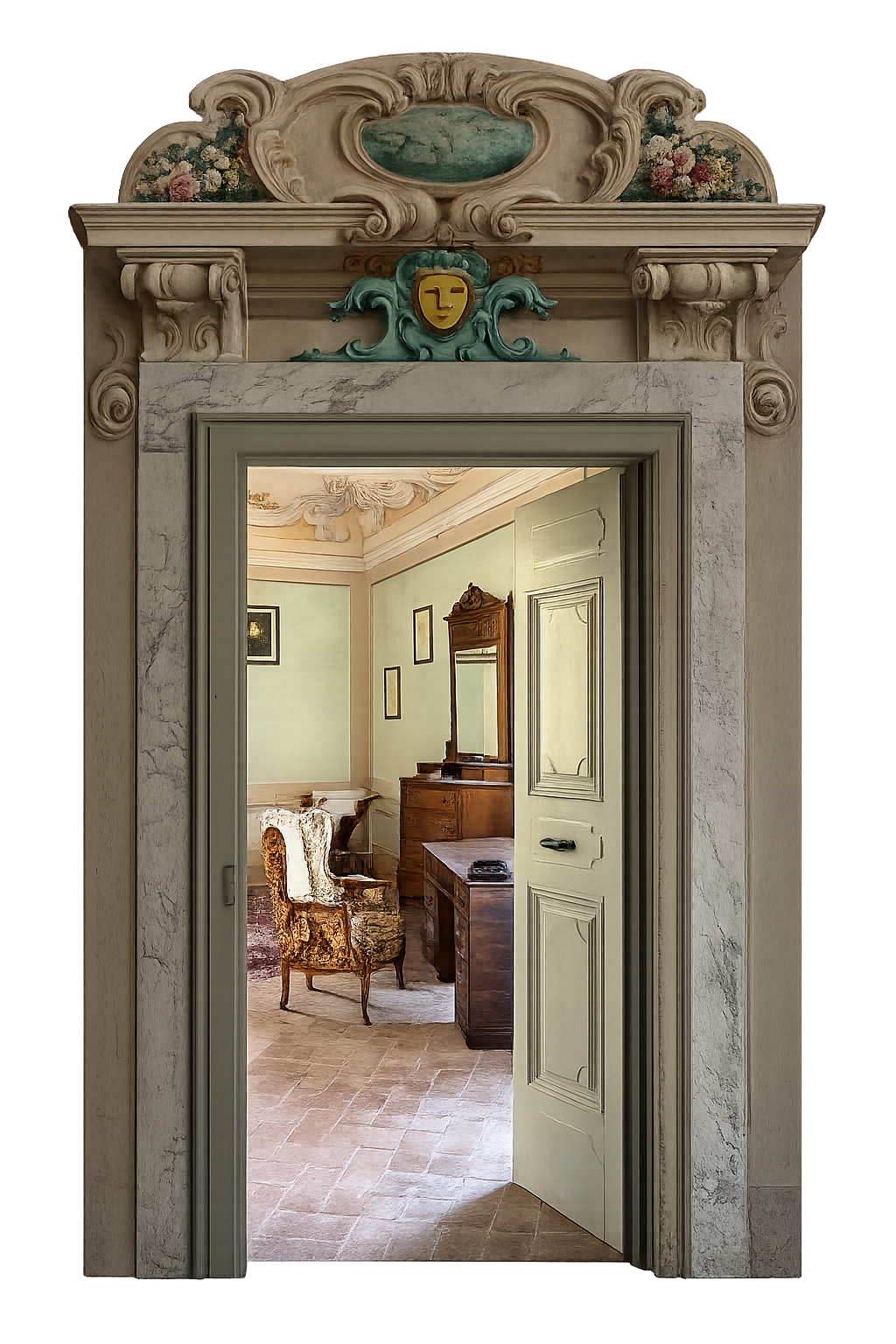 Rules and Probes. Entwurf der Methode
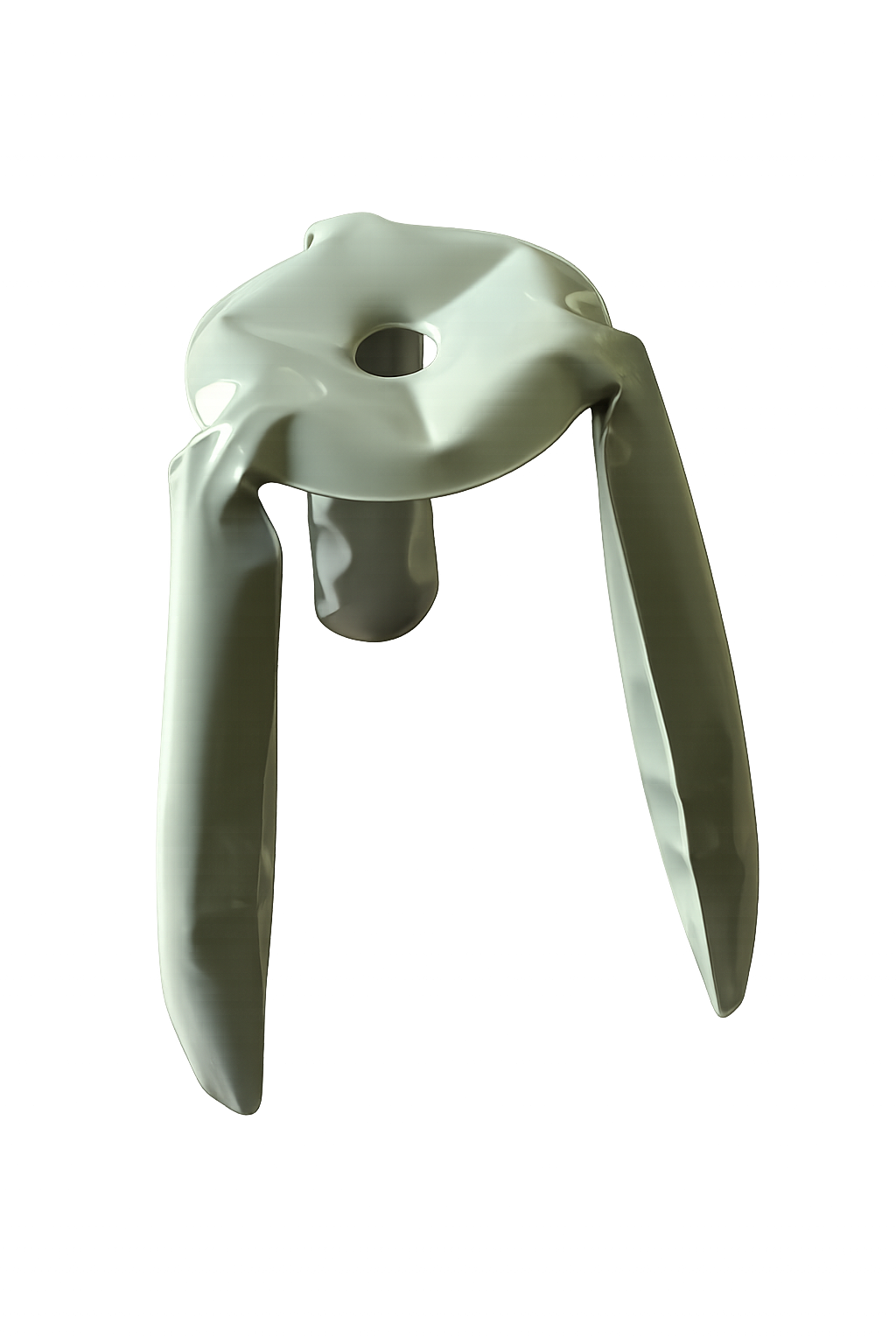 Objective Introspection
 Weltgespräch im Portikus
 Aurora in Love
 Der Welten Vormund
 Remains. Orientation Without Ground
 Canonics. Elementary Organon in Ten Motions
 Cast List: Objective Figures of Measure Present Themselves
 Heard While Standing. Portico Conversation
 Portico Scenes on Abstraction
 The Lean. Relationship between Fulcrum and Scale
 Aurora's Walks Through the Portico Acts
 Amphora's Walks Through the Portico Acts
 Parerga's Walks Through the Portico Acts
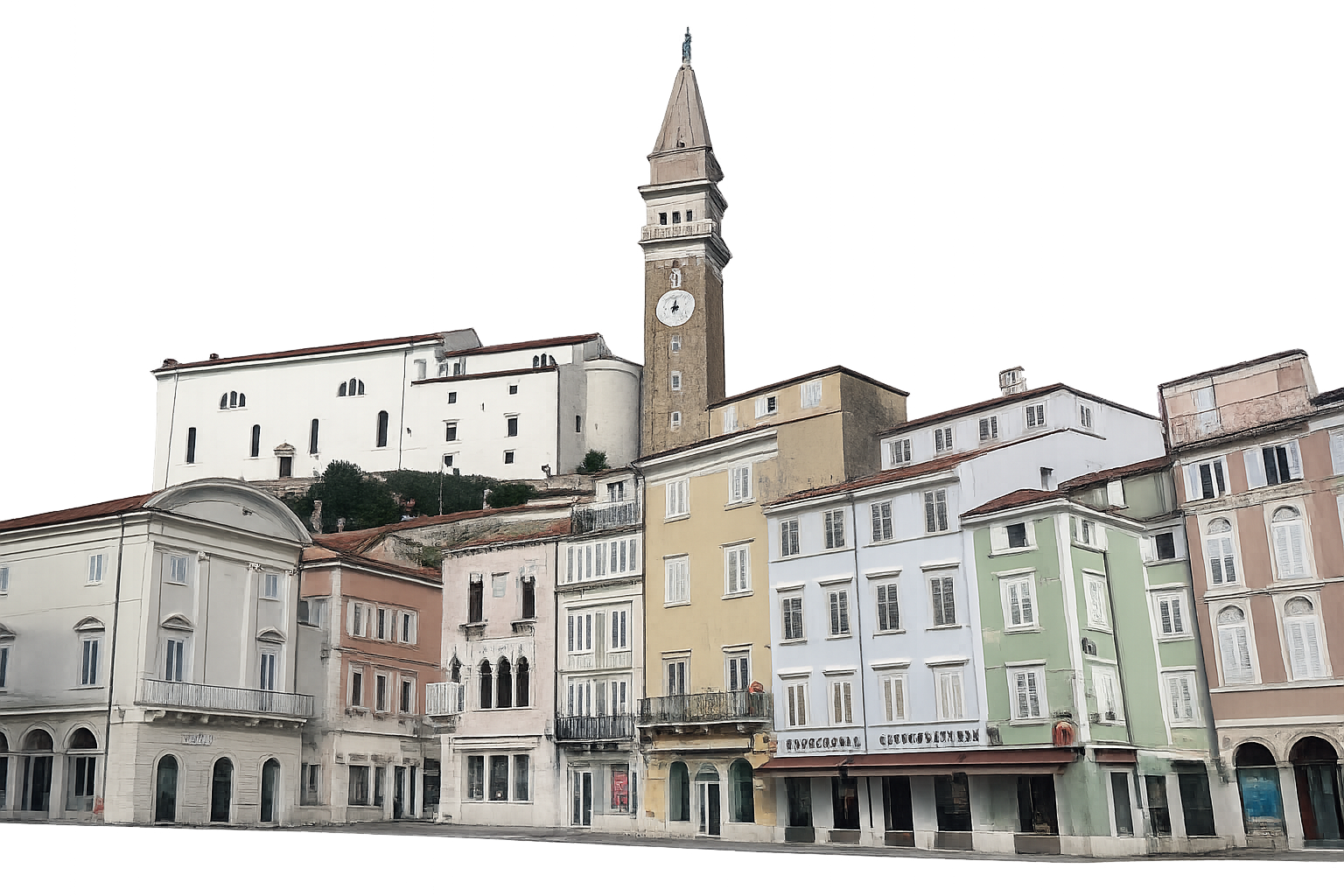 the Line Walks Through the Portico Acts
 the Scale Walks Through the Portico Acts
 Das Kind, im Weltgespräch
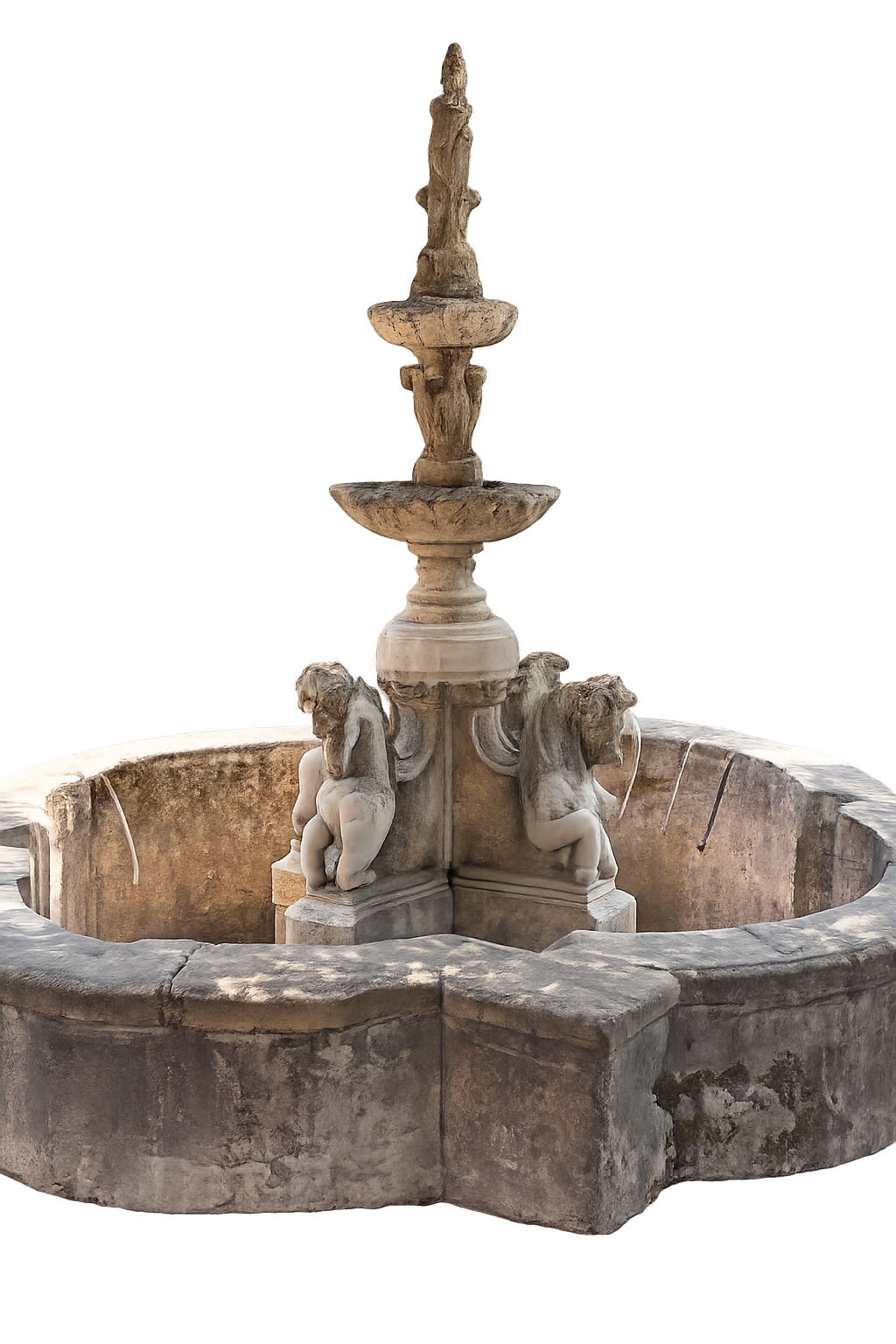 Aurora Longs to Become Young
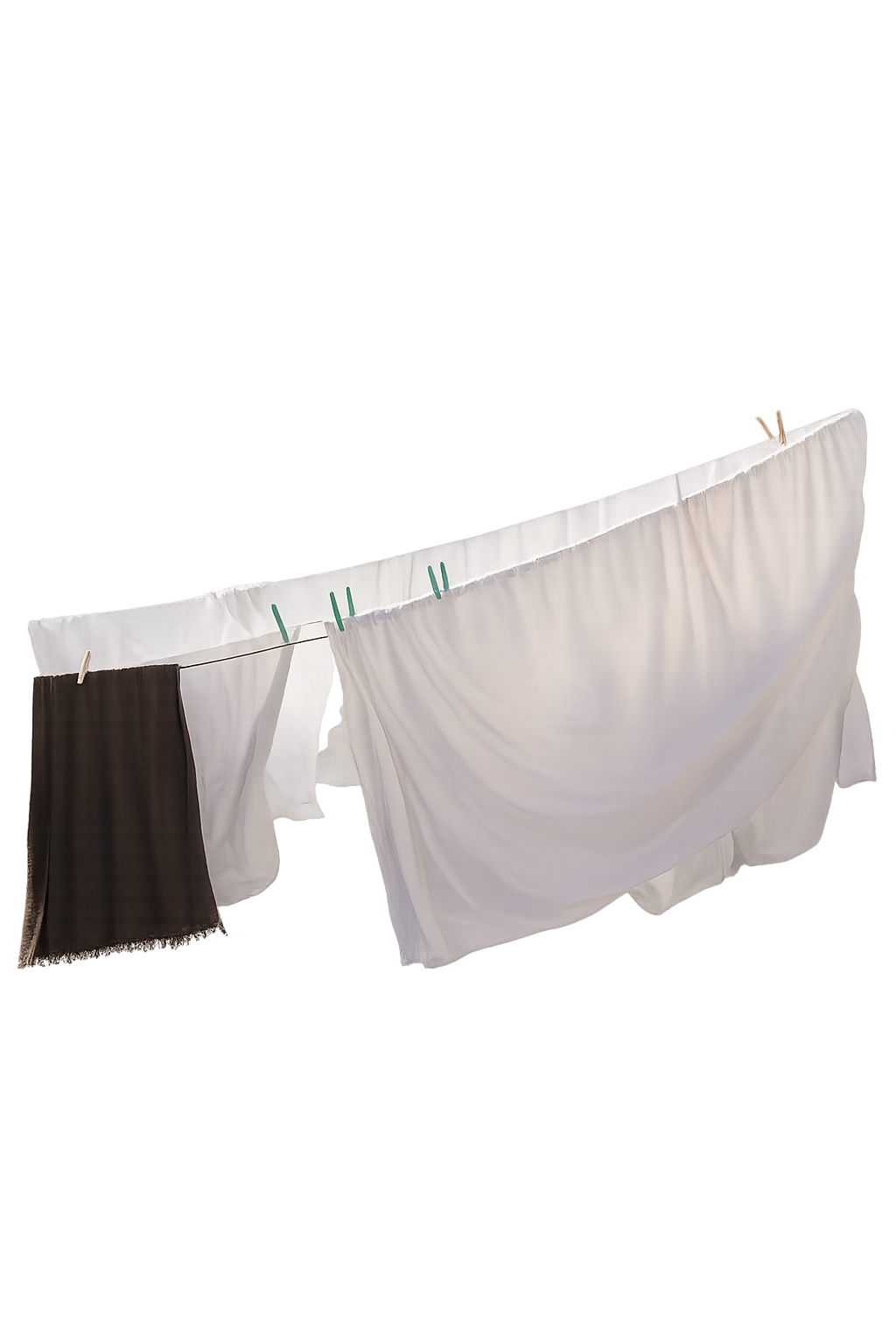 Ode to the Lines that do not Enclose
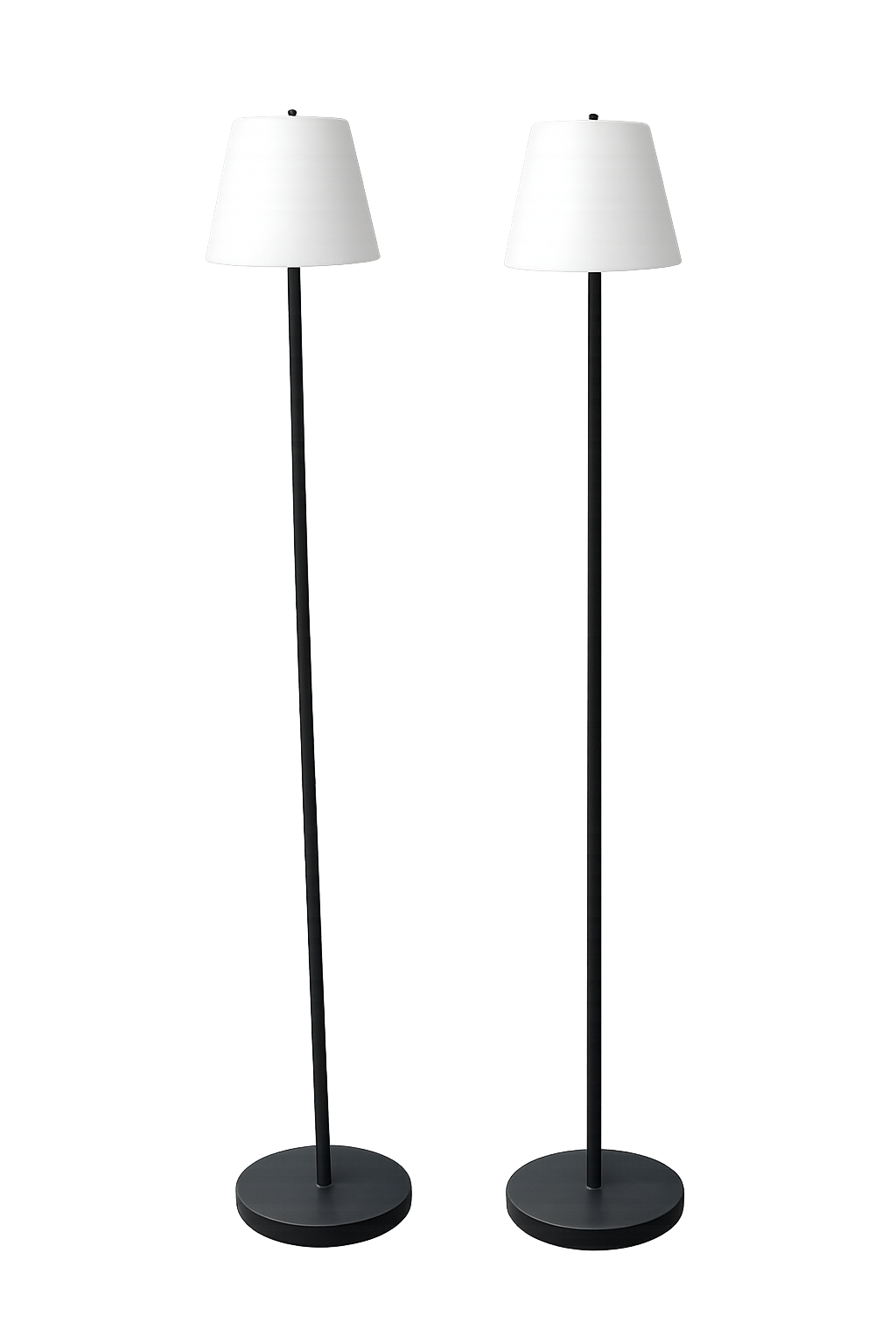 The Tomographic Organon
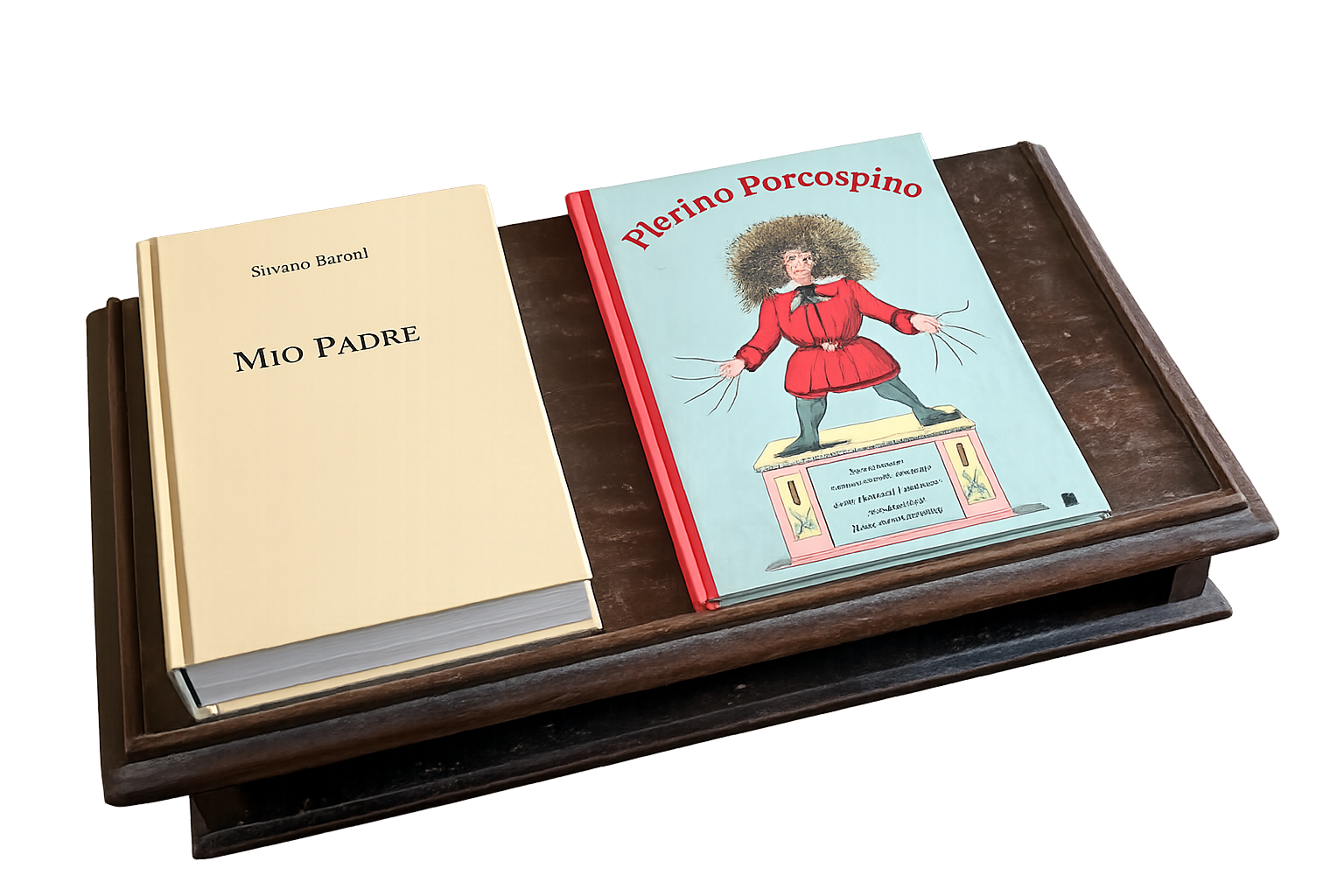 De luce litterali
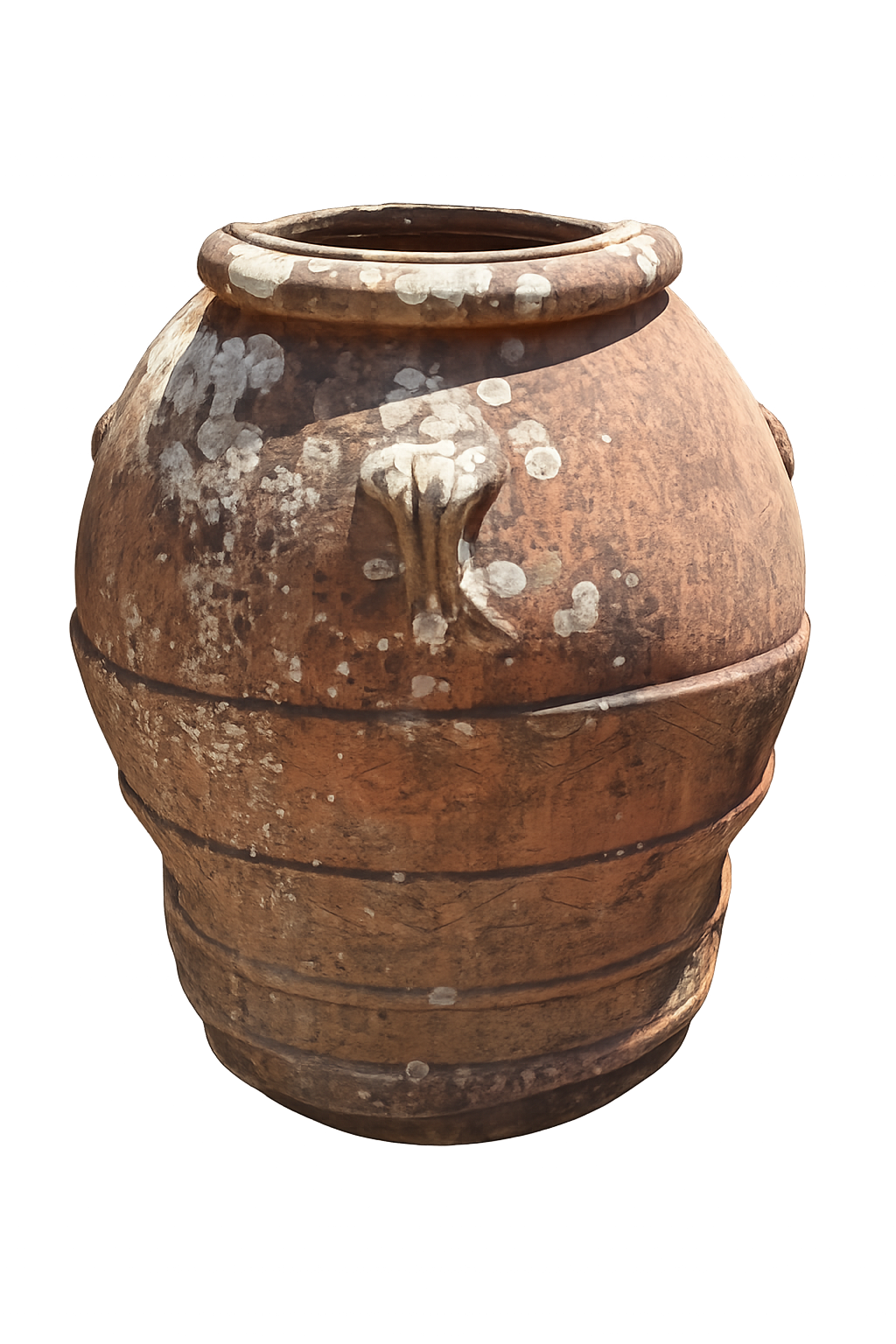 Artefacts Cast Shadows
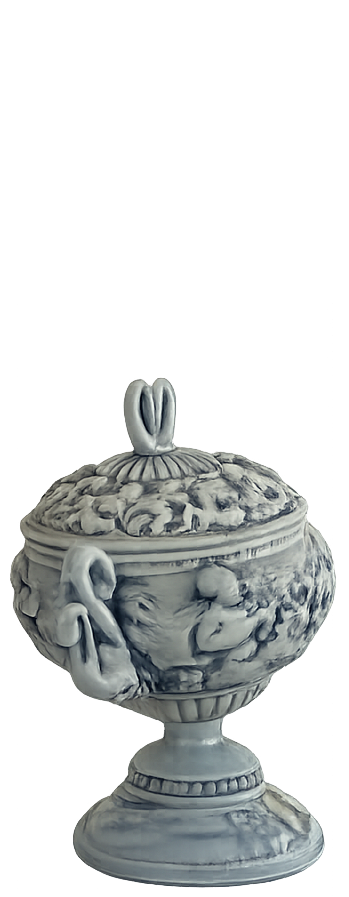 On Gestaltung as Synthetic Reduction
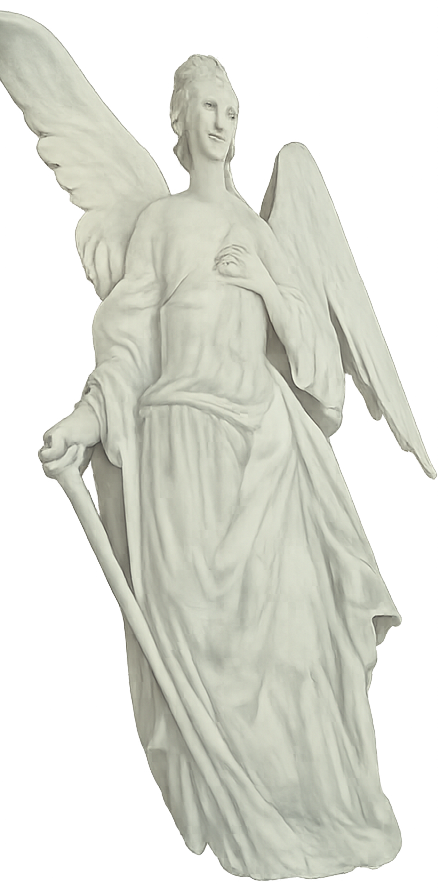 A flower's Elemental Passion