XLVI / The Portico at the Shore
LectureA flower’s Elemental Passion and its Blooming in a Room not of One’s Own
Talk by invitation of Prof. Miro Roman, Studio 2 House of Coded Objects, Architekturfakultät Universität Innsbruck, June 9 2026
“Do you want the flower to open only once? The unveiling of the opening would then belong to you. The beauty or truth of the opening would be your discovery. Proposed and exposed in one definitive blossoming. The nightly closing of the flower, its folding back into itself would not take place.”
— Luce Irigaray, Elemental Passions (1980)
Desire, as we know, wants to appropriate its object; the play of mimesis unfolds in this manner. But how to think of the where-about and the whence, where such mimetic play takes place? This talk will think of it as the site of a drama or play without words, as the House of the Pantomime. Can there be an architectonics of this house? Pantomime literally names the imitator of all as an actor, from panto- (genitive of pan) “all” (see pan-) + mimos “imitator”. Grammatically speaking, hence, it would be an architectonics in the mode of the genitive case, the grammatical case that expresses “possession, source, or origin”. But who could possibly dwell in the house of who “own it all”?
We can think of the architectonics of the Pantomime’s House as the inverse to mnemotechnics — as concerned with places for forgetting rather than remembering. As a house in the genitive case, it accommodates representations insofar as they are suspended. How to think of recognition with respect to such “suspended representations”? The miming of the pantomime is not driven by desire, it does not strive to consume its object; rather, it celebrates the consumption of relations. Such a notion of consumption places the pantomime in an ethics of difference that attends to passions that are “elemental”.
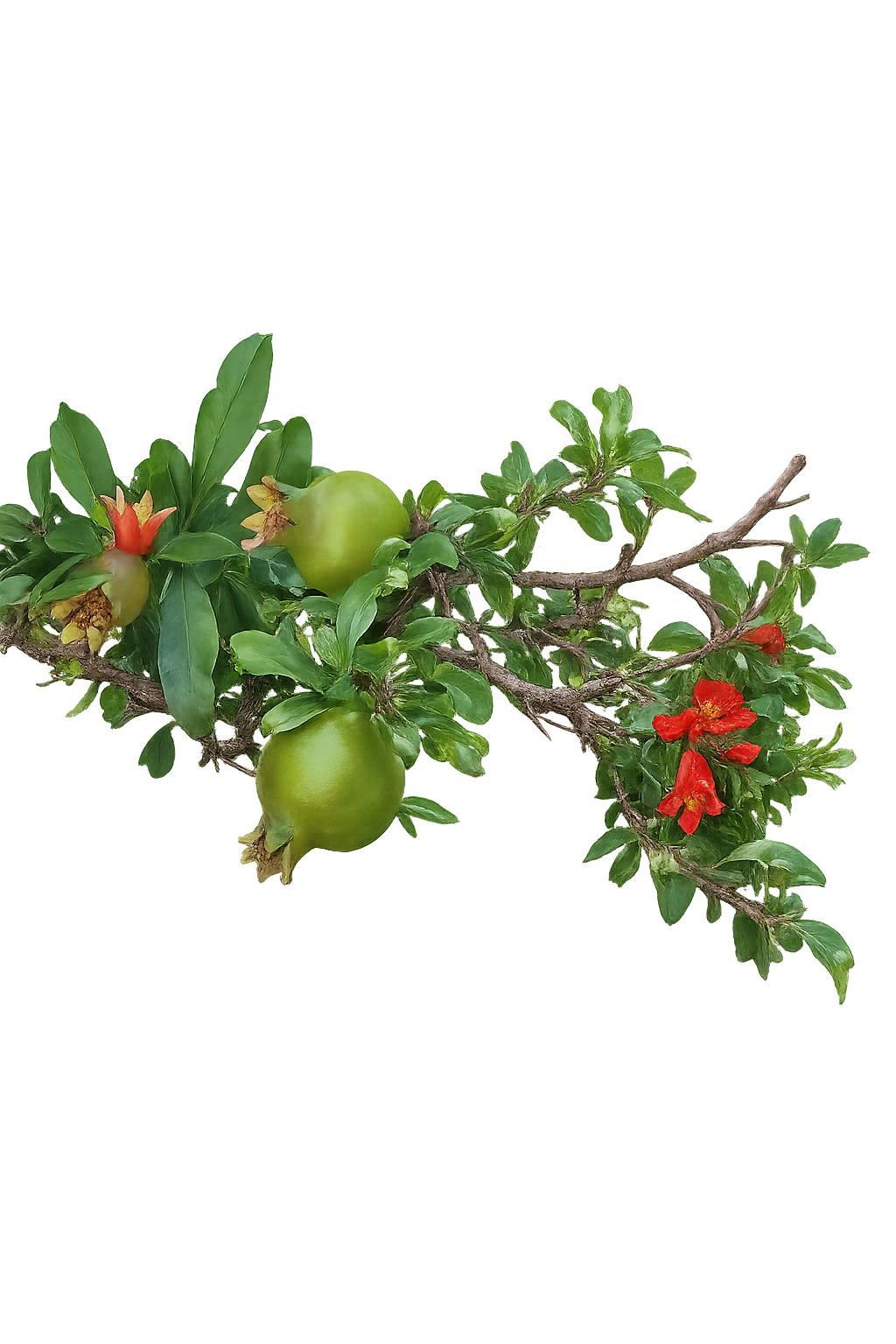
There is a notion of the “elements” that considers their passions rather than actions: Fire, water, earth and air, then, erect axiomatic framings inversely in such an architectonics — not to “make same” (through processes of appropriation) but to “let be” (through consuming relations). Of such “letting be”, we can perhaps think of as a flower’s elemental passions that are spent in blooming.
 A Glossary of Weathering Articulations
 A Note on Versatz Words
 Instruments of Synchronizing Techniques
 The Portico Books I: Relations Without Ground
 The Portico Books II: The Virtual Clock
 At the Shore of the Music Sum
 Polyphonic Drama in the Chronicle
 What is a Probe?
 Rules to Guide ones Orientation in Thought
 Elements of a Respiratory Geometry
 On Prompting
 Photographic Writing and the Breathing Image
 A Gnomonic Clock
 The Promise Kept in Still Lifes
 At the Shore of Relations: In the Middle of Nature there is a Clock
 Mündungen, A Hydrography of Thought
 De gravitate et gaudio
 Meteorology, The Art of Articulation
 Meteorology, The Art of Articulation
 Speaking in Daedalic Tongues
 Ode an den stehenden Satz
 Objektive Figuren des Maßes
 Rules and Probes. Entwurf der Methode
 Objective Introspection
 Weltgespräch im Portikus
 Aurora in Love
 Der Welten Vormund
 Remains. Orientation Without Ground
 Canonics. Elementary Organon in Ten Motions
 Cast List: Objective Figures of Measure Present Themselves
 Heard While Standing. Portico Conversation
 Portico Scenes on Abstraction
 The Lean. Relationship between Fulcrum and Scale
 Aurora's Walks Through the Portico Acts
 Amphora's Walks Through the Portico Acts
 Parerga's Walks Through the Portico Acts
 the Line Walks Through the Portico Acts
 the Scale Walks Through the Portico Acts
 Das Kind, im Weltgespräch
 Aurora Longs to Become Young
 Ode to the Lines that do not Enclose
 The Tomographic Organon
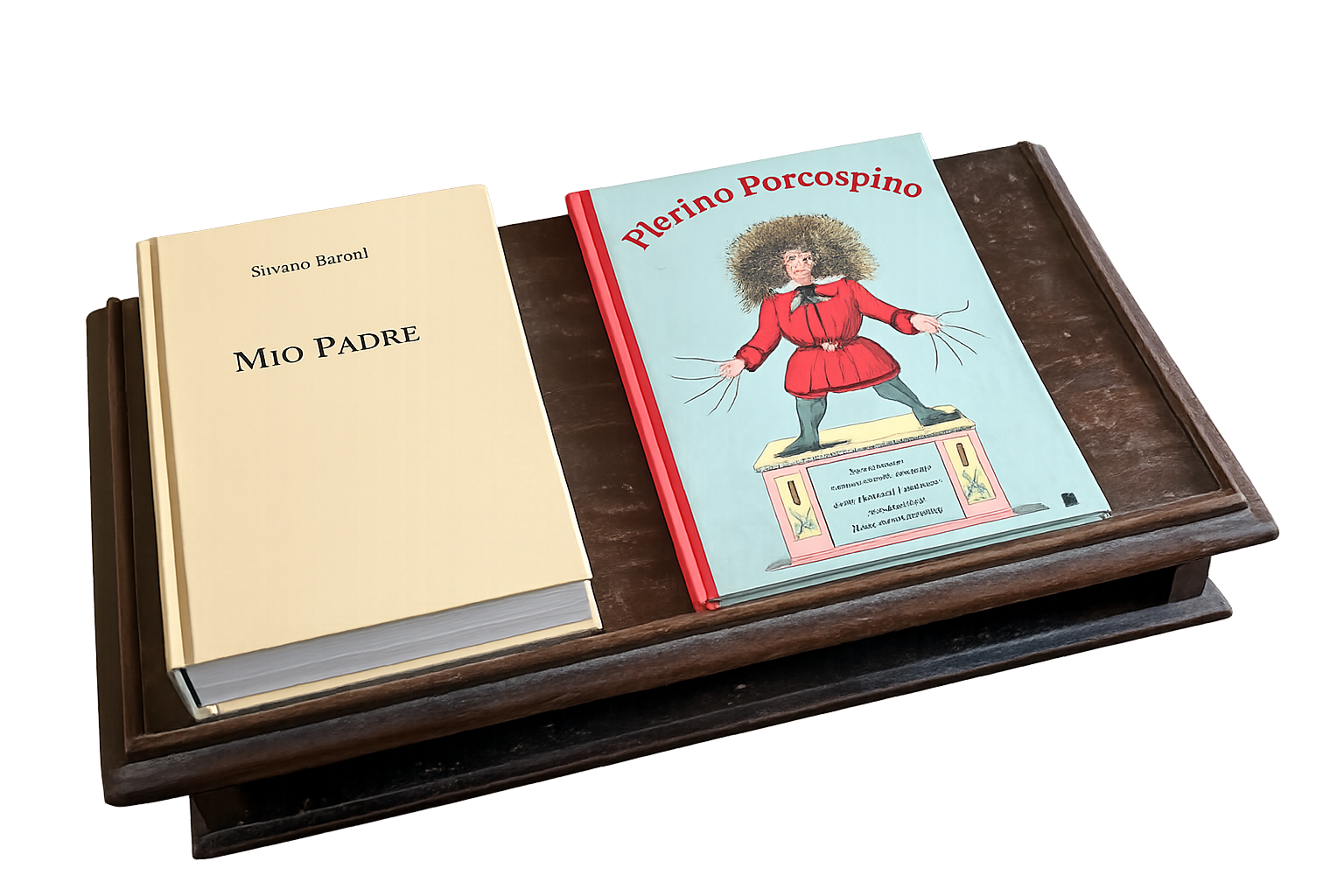 De luce litterali
 Artefacts Cast Shadows
- On Gestaltung as Synthetic Reduction